Blog
How Hemp is Made: Full Guide from Farming to Final Product

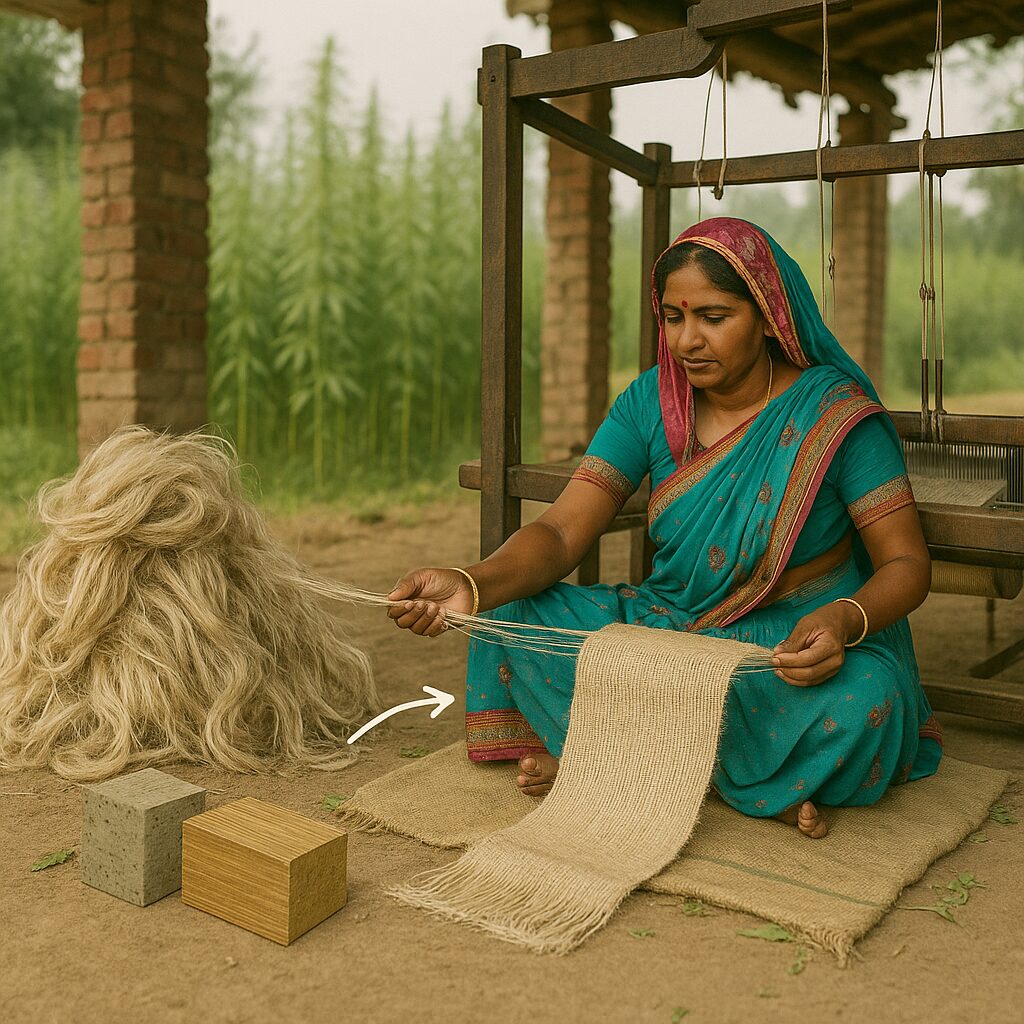
How Hemp is Made: From Seed to Sustainable Solution
Hemp has captured global attention as a sustainable, multi-purpose crop with applications in textiles, food, construction, and medicine. But while its benefits are widely known, many people are still unclear about how hemp is made — from planting the first seed to developing the final product. This blog dives deep into that journey, exploring each stage of hemp’s transformation and its potential to reshape industries.
Whether you’re an eco-conscious consumer, a manufacturer, or a policymaker, understanding how hemp is made equips you with insights into its environmental, economic, and industrial value. Let’s explore the lifecycle of this remarkable plant — from seed to sustainable solution.
What Is Hemp?
Hemp is a variety of the Cannabis sativa plant species, grown specifically for industrial and non-intoxicating purposes. Unlike marijuana, it contains less than 0.3% THC, the psychoactive compound. This makes it legal for cultivation under regulated environments in many countries.
Key Applications of Hemp
- Textiles and fabrics
- Hemp seed oil and protein
- Eco-friendly construction (hempcrete)
- Bio-plastics and automotive materials
- CBD products and wellness items
Step-by-Step Guide: How Hemp is Made
The process of making hemp includes several stages — from seed selection and cultivation to harvest, processing, and product development.
1. Seed Selection
It all starts with the seed. Farmers choose specific strains based on their purpose: fiber, grain, or cannabinoid extraction (CBD). High-quality, low-THC seeds are mandatory under Indian and international hemp regulations.
2. Cultivation
Hemp grows best in well-drained soil with a pH of 6.0–7.5. It requires low pesticide use, grows rapidly (60–90 days), and needs less water than cotton. Sowing time depends on regional climates, typically during late spring.
3. Harvesting
Timing the harvest depends on the purpose:
- Fiber: Harvested before full flowering
- Seed: Wait for full seed maturity
- CBD-rich flowers: Monitored for optimal resin development
4. Retting & Decortication
After harvest, the stalks undergo retting — the breaking down of pectin to loosen fiber. Techniques include dew retting (field-based), water retting (requires containment), and mechanical retting (industrial scale). The fiber is then separated from the woody core (hurd) through decortication.
5. Post-Harvest Processing
Depending on the desired end product, different parts of the plant undergo specific treatments:
- Seeds: Cleaned, pressed into oil, or milled into flour
- Fiber: Combed and spun into textiles
- Flowers: Dried and extracted for CBD
Product Conversion: From Raw Hemp to Marketable Goods
| Plant Part | Converted Product | Application |
|---|---|---|
| Fiber | Yarn, fabric | Clothing, bags, insulation |
| Seed | Oil, protein powder | Food, skincare |
| Hurd | Hempcrete, mulch | Construction, packaging |
| Flower | CBD extracts | Medicinal products |
Legal Status of Hemp in India
Hemp cultivation in India is legal under the NDPS Act, provided THC content remains below 0.3%. States like Uttarakhand and Himachal Pradesh have introduced progressive policies to support hemp agriculture and entrepreneurship.
Environmental Benefits of Hemp
One of the primary reasons behind hemp’s resurgence is its eco-friendly nature:
- Absorbs up to 15 tons of CO₂ per hectare
- Grows with 50% less water than cotton
- Rehabilitates soil and prevents erosion
- Biodegradable and recyclable
Challenges in Hemp Production
Despite its benefits, hemp production in India still faces hurdles:
- Lack of public awareness and education
- Limited processing infrastructure
- Policy ambiguity around flower-based products
- Insufficient R&D support
Conclusion: A Greener Future with Hemp
Understanding how hemp is made — from seed to final product — is essential for scaling this industry sustainably. Hemp has the power to support rural livelihoods, reduce carbon emissions, and replace non-renewable materials across sectors.
With India’s growing focus on sustainability and green innovation, now is the perfect time to embrace hemp as a future-ready solution.
References & Further Reading
- European Industrial Hemp Association (EIHA)
- CSIR-IHBT Research Portal
- “Hemp as a Sustainable Raw Material” – MDPI Sustainability Journal
- Government of Uttarakhand Hemp Policy Report (2023)
- Indian Hempstore Whitepaper (2024)