


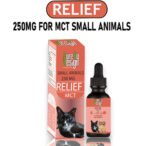

Cure by Design Relief 250mg CBD (MCT) for Small Animals | THC-Free CBD Oil for Pets

₹1,250.00
- 250mg THC-Free CBD Formulation for Small Animals
- MCT Coconut Oil-Based Delivery System
- Designed for Cats, Small Dogs & Rabbits
- Supports Everyday Neurological & Wellness Care
- Non-Intoxicating, Lab-Tested CBD Formula
Cure by Design Relief 250mg CBD (MCT) for Small Animals – THC-Free CBD Support for Pets
Cure by Design Relief 250mg CBD for Small Animals with MCT Coconut Oil is a hemp-derived CBD formulation designed for small companion animals requiring nutritional and wellness support.
The formula combines CBD with MCT coconut oil, creating a convenient liquid delivery system for pets such as cats, small dogs and rabbits. The product is described as THC-free, making it distinct from cannabis extracts containing psychoactive THC.
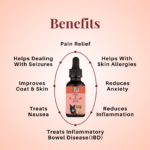
CBD, or cannabidiol, is a non-intoxicating cannabinoid that has attracted increasing interest in veterinary wellness and research. It interacts with biological signalling systems involved in processes such as neurological activity, inflammatory responses, stress regulation and pain perception.
MCT oil, derived from coconut, provides a lipid-based carrier for the formulation. Because CBD is fat-soluble, incorporating it into an oil-based delivery system offers a practical method of administration.
Cure by Design Relief 250mg CBD (MCT) is intended to complement responsible pet care and should be used with appropriate veterinary guidance, particularly when given to animals with epilepsy, neurological disorders, chronic pain or other diagnosed medical conditions.
What Is CBD for Small Animals?
CBD stands for cannabidiol, a naturally occurring cannabinoid found in Cannabis sativa.
Unlike THC, CBD is not intended to produce an intoxicating or psychoactive effect.
CBD interacts with several biological pathways, including components of the endocannabinoid system (ECS). The ECS is present in mammals and contributes to the regulation of several physiological functions.
These include pathways associated with:
- Neurological signalling
- Pain perception
- Inflammatory responses
- Stress responses
- Appetite
- Sleep and rest
- Immune regulation
Because these systems are complex, the response to CBD can differ significantly between individual animals.
For this reason, CBD supplementation should not be treated as a universal solution for a specific disease.
Why Combine CBD with MCT Coconut Oil?
The Cure by Design formulation combines CBD with MCT coconut oil.
MCT stands for medium-chain triglycerides, a group of fatty acids commonly derived from coconut oil.
MCT oil is widely used as a carrier for lipid-soluble ingredients and can provide an efficient oil-based delivery format.
CBD is lipophilic, meaning it has greater affinity for fats and oils than water.
Using an oil-based carrier provides a practical way to administer CBD orally.
The MCT component also makes the product easy to measure and mix into a pet’s food according to veterinary guidance.
250mg CBD Formulation
The product is identified as a 250mg CBD formulation.
This provides a defined amount of CBD in the product, allowing pet owners and veterinarians to consider the CBD concentration when determining an appropriate serving.
The appropriate amount for an individual animal should not be determined solely from the total CBD content of the bottle.
Factors that may influence an animal’s response include:
- Body weight
- Species
- Age
- Existing medical conditions
- Current medications
- Individual sensitivity
- Intended use
- Duration of supplementation
For animals with diagnosed neurological or chronic conditions, veterinary supervision is particularly important.
THC-Free CBD Formula
One of the defining characteristics of Cure by Design Relief 250mg CBD (MCT) is its THC-free positioning.
THC and CBD are different cannabinoids with different pharmacological properties.
THC is the cannabinoid primarily associated with cannabis intoxication, whereas CBD is non-intoxicating.
For animal products, avoiding THC is particularly important because pets can respond differently to cannabinoids than humans.
Always verify the current product label and laboratory documentation for the most accurate cannabinoid profile.
CBD and the Endocannabinoid System
The endocannabinoid system is a biological signalling network found in mammals.
It includes:
- Cannabinoid receptors
- Endogenous cannabinoids
- Enzymes involved in cannabinoid synthesis and breakdown
The two most widely discussed cannabinoid receptors are CB1 and CB2.
CB1 receptors are particularly abundant in the nervous system, while CB2 receptors are associated more strongly with immune and peripheral tissues.
CBD does not simply act as a direct activator of CB1 and CB2 receptors in the same way THC does.
Instead, it appears to influence several signalling pathways and may modulate endocannabinoid activity.
This broad biological interaction is one reason CBD continues to be studied for potential applications in veterinary medicine.
CBD for Neurological Support
Neurological health is one of the areas in which veterinary cannabinoid research has received significant attention.
CBD has been investigated particularly in relation to seizure disorders and epilepsy in dogs.
However, evidence varies by species, condition and formulation, and CBD should not be represented as a guaranteed seizure treatment.
For a pet diagnosed with epilepsy or another neurological disorder, prescribed veterinary medication should not be stopped, reduced or replaced with CBD without professional supervision.
Cure by Design Relief 250mg CBD (MCT) can be positioned as a supportive supplement to discuss with a veterinarian, rather than as a replacement for established neurological treatment.
CBD and Seizure Support
Seizure disorders require professional veterinary management.
CBD has been studied as a potential adjunctive approach in canine epilepsy, with research investigating whether cannabidiol supplementation may influence seizure frequency in some animals.
The response is not necessarily the same for every pet.
Pet owners should therefore maintain accurate records of:
- Seizure frequency
- Seizure duration
- Medication administered
- CBD supplementation
- Changes in behaviour
- Appetite
- Activity level
This information can help the veterinarian evaluate the animal’s overall response.
CBD should not be used as an emergency treatment for an active seizure unless specifically instructed by a veterinarian.
CBD for Stress and Anxiety Support
Changes in environment, separation, travel, loud noises and unfamiliar situations can cause stress in companion animals.
CBD is being investigated for its potential influence on stress-related pathways.
Some pet owners use CBD as part of a broader wellness routine aimed at supporting calm behaviour.
However, anxiety can have many causes.
Persistent anxiety, aggression, destructive behaviour, excessive vocalisation or changes in normal behaviour should be evaluated by a veterinarian or qualified animal behaviour professional.
CBD supplementation should complement—not replace—appropriate behavioural and environmental management.
CBD and Relaxation
CBD is non-intoxicating and is commonly investigated for its potential effects on neurological and behavioural pathways.
For pets experiencing situational stress, maintaining a predictable environment, adequate exercise, enrichment and appropriate sleep routines remains important.
If CBD is being considered, introducing it under veterinary guidance allows the animal’s response to be monitored more carefully.
CBD and Pain-Related Support
Pain in animals can result from many conditions, including:
- Musculoskeletal problems
- Arthritis
- Injury
- Neurological disorders
- Dental conditions
- Post-operative recovery
- Age-related changes
CBD has been investigated for its potential interaction with pain and inflammatory pathways.
However, CBD should not be described as a direct substitute for veterinary analgesics.
A pet showing persistent pain should receive veterinary assessment to determine the underlying cause.
Potential signs of pain can include:
- Reduced mobility
- Limping
- Reluctance to jump
- Changes in appetite
- Excessive licking
- Withdrawal
- Vocalisation
- Changes in sleeping behaviour
Supporting Joint & Mobility Wellness
As pets age, joint and mobility concerns can become increasingly common.
Nutritional support can form part of a broader mobility strategy that may include:
- Healthy body weight
- Appropriate exercise
- Veterinary assessment
- Physiotherapy
- Joint-support nutrients
- Prescription treatment when required
CBD may be considered as a supplementary wellness product, but it should not be promoted as a guaranteed treatment for arthritis or joint disease.
CBD and Sleep & Rest
Rest and sleep are important components of animal health.
Pain, anxiety, environmental changes and neurological disorders can disrupt normal sleeping patterns.
CBD is being investigated for its effects on neurological and behavioural pathways, but evidence regarding sleep support in companion animals remains developing.
A pet experiencing persistent sleep disturbance should be assessed for underlying causes rather than relying exclusively on a supplement.
MCT Coconut Oil as a Carrier
MCT coconut oil is the second primary component of the formulation.
Medium-chain triglycerides are fats that are metabolised differently from many long-chain fatty acids.
MCT oil is commonly used in nutritional products because of its digestibility and its ability to function as an oil-based carrier.
In this formulation, MCT oil provides the lipid medium in which CBD is delivered.
The presence of MCT oil also makes the formulation suitable for measured oral administration.
MCT Oil and Nutritional Support
MCTs can provide a source of dietary energy.
Because they are medium-chain fats, they are handled differently by the body compared with many longer-chain fatty acids.
However, individual animals can tolerate dietary fats differently.
Introducing any new oil should therefore be done carefully, particularly in animals with a history of digestive sensitivity or conditions requiring a controlled-fat diet.
If your veterinarian has recommended a low-fat diet for your pet, consult them before introducing an MCT-containing supplement.
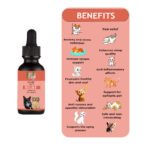
Potential Benefits of the Formula
1. Non-Intoxicating CBD Support
The product is formulated with THC-free CBD, providing a cannabinoid-based option without the intended intoxicating effects associated with THC.
2. Supports Neurological Wellness
CBD interacts with biological signalling pathways associated with the nervous system and is being investigated for applications involving neurological health.
3. Supports Calm Behaviour
CBD may be considered as part of a broader approach to stress and relaxation, subject to veterinary guidance.
4. Supports Pain-Related Wellness
CBD is being studied for its potential interaction with pain and inflammatory signalling pathways.
5. Oil-Based Delivery
MCT coconut oil provides a convenient lipid carrier for CBD.
6. Convenient Liquid Administration
The liquid format can be measured and administered according to veterinary recommendations.
Suitable Animals
The supplied product information identifies this formulation for small animals, including:
- Cats
- Small dogs
- Rabbits
- Other small companion animals
However, different species can have substantially different metabolic responses to supplements.
A formulation intended for one species should not automatically be assumed to be appropriate for another.
For rabbits or other small animals, veterinary advice is especially important before introducing cannabinoid-containing products.
How to Administer
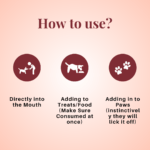
Cure by Design Relief 250mg CBD (MCT) is an oral liquid formulation.
It may be administered according to the instructions provided on the product packaging or by a veterinarian.
Depending on the animal’s tolerance, the measured amount may be incorporated into food or administered orally.
Because the appropriate CBD dose depends on factors such as species and body weight, a universal drop-based dosage should not be assumed without product-specific concentration and veterinary guidance.
For animals taking medication, professional advice is strongly recommended before starting supplementation.
Why Veterinary Guidance Matters
CBD can interact with biological pathways involved in drug metabolism.
Animals with epilepsy, neurological conditions or chronic illnesses may already be taking prescription medication.
Adding a supplement can potentially alter the overall pharmacological profile.
Veterinary supervision is particularly important when the animal is receiving:
- Anti-seizure medication
- Sedatives
- Pain medication
- Anti-inflammatory medication
- Liver-metabolised drugs
- Other long-term prescriptions
Never discontinue prescribed medication because your pet appears to respond positively to CBD.
Recommended Approach for Introducing a New Supplement
When introducing a new nutritional supplement, gradual observation is useful.
Pet owners can monitor:
- Appetite
- Water intake
- Activity
- Bowel movements
- Behaviour
- Sleep patterns
- Coordination
- Any unusual reactions
Keeping a simple daily record can make it easier to identify changes.
If an unusual reaction occurs, discontinue the product and contact your veterinarian.
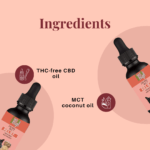
Ingredients
THC-Free CBD Oil
CBD derived from hemp provides the cannabinoid component of the formulation.
The product is described as THC-free.
MCT Coconut Oil
MCT coconut oil provides the lipid carrier for the CBD formulation.
It also contributes medium-chain fatty acids to the product.
What Makes Cure by Design Relief 250mg CBD (MCT) Different?
250mg CBD Formulation
Provides a defined total CBD concentration for controlled supplementation.
THC-Free
Designed without THC according to the supplied product information.
MCT-Based Delivery
Uses MCT coconut oil as an oil-based carrier.
Designed for Small Animals
Positioned for small companion animals including cats, small dogs and rabbits.
Laboratory Tested
The supplied product information states that the product is lab-tested for purity.
Quality & Product Standards
The supplied product information states that the formulation is:
- THC-free
- Non-GMO
- Free from pesticides
- Laboratory tested for purity
Consumers should review the current Certificate of Analysis (COA) where available to verify cannabinoid content, contaminants and other quality parameters.
Laboratory documentation is particularly valuable for cannabinoid products because the actual cannabinoid profile should be verified independently of marketing claims.
Storage Instructions
Store the product:
- In a cool, dry location
- Away from direct sunlight
- Away from excessive heat
- With the bottle securely closed
- Away from children and animals when not being administered
Always follow the storage conditions printed on the current product packaging.
Do not use the product beyond its expiry date.
Safety & Precautions
Cure by Design Relief 250mg CBD (MCT) should be used responsibly.
Veterinary Consultation
Consult a veterinarian before giving CBD to a pet, particularly if the animal has epilepsy, neurological disease, chronic illness or is taking medication.
Monitor Your Pet
Observe changes in appetite, behaviour, coordination, alertness and digestion after introducing the product.
Do Not Replace Medication
Do not discontinue or reduce prescribed medication without veterinary approval.
Keep Away From Children
Store securely to prevent accidental ingestion by children.
Species Consideration
Do not assume that a dosage suitable for a dog is appropriate for a cat, rabbit or another species.
Medical Emergencies
CBD should not be relied upon for emergency treatment of seizures, poisoning, severe pain, respiratory distress or other urgent medical conditions.
Seek immediate veterinary care when necessary.
Important Information About CBD for Pets
CBD products for animals should be approached differently from ordinary nutritional supplements.
The available evidence varies according to species, condition, dose and product quality.
A product marketed for pets should therefore not be described as a guaranteed cure for epilepsy, anxiety, arthritis, neurological disease or chronic pain.
Cure by Design Relief 250mg CBD (MCT) is better positioned as a THC-free CBD wellness supplement for small animals that should be used with appropriate veterinary guidance.
This approach gives pet owners a more realistic understanding of the product while supporting responsible use.
CBD for Dogs vs Cats
Dogs and cats have different physiology and metabolism.
Research involving CBD in dogs cannot automatically be transferred to cats.
Similarly, a dose calculated for a dog should not be assumed to be appropriate for a cat.
If the product is intended for both species, veterinary guidance is recommended before administration.
This is particularly important for cats receiving medication or animals with chronic health conditions.
CBD for Rabbits and Other Small Animals
Rabbits and other small mammals have specialised digestive systems and nutritional requirements.
There is less established evidence for CBD use in many small-animal species compared with dogs.
Consequently, owners should exercise additional caution.
A veterinarian familiar with the animal’s species should be consulted before introducing CBD supplementation.
Frequently Asked Questions
What is Cure by Design Relief 250mg CBD for Small Animals?
It is a liquid CBD formulation containing 250mg CBD with MCT coconut oil, designed for small companion animals.
Is this product THC-free?
The supplied product information describes the formulation as THC-free. Always refer to the current product label and COA for verified cannabinoid specifications.
Can CBD help dogs with epilepsy?
CBD has been investigated as an adjunctive option in canine epilepsy, but it should not be presented as a guaranteed treatment or replacement for veterinary anti-seizure medication. Dogs with epilepsy should be managed under veterinary supervision.
Can I give this product to my cat?
The supplied information identifies the product for cats and other small animals. However, cats have different metabolic characteristics from dogs. Consult a veterinarian before administration.
Can rabbits take CBD?
The supplied product information identifies rabbits among the intended small animals, but evidence for CBD use in rabbits is limited compared with dogs. Veterinary guidance is recommended.
Does CBD make pets high?
CBD itself is non-intoxicating. The product is also described as THC-free, which distinguishes it from THC-containing cannabis extracts.
What is MCT oil?
MCT stands for medium-chain triglycerides. MCT coconut oil is used as the oil-based carrier in this formulation and provides a source of medium-chain fatty acids.
Can CBD replace my pet’s medication?
No. CBD should not be used to replace prescribed veterinary medication unless the veterinarian specifically recommends a change in treatment.
Can CBD support my pet’s anxiety?
CBD is being investigated for potential effects on stress and behavioural pathways. However, persistent anxiety requires assessment of the underlying cause and should not be managed solely with supplementation.
How should I dose the product?
The appropriate dose depends on the animal’s species, body weight, health status, CBD concentration and intended use. Follow the product label and veterinary advice rather than assuming a universal dose.
How should I store the product?
Keep the bottle tightly closed in a cool, dry location away from direct sunlight and excessive heat. Keep it securely away from children and animals.
5 to 7 business days for pan-India locations. The orders which we have received before 10 am will be processed on the same day and the orders which we have received after 10am will be processed on the next day.
Related products

Noigra CBDILOEX for Pets | Anxiety & Seizure Relief | Non-Psychoactive | 30ml | Vet-Approved
Original price was: ₹2,999.00.₹2,899.00Current price is: ₹2,899.00.



Reviews
There are no reviews yet.